
Science at Sowerby
Intent:
Sowerby Primary Academy is committed to providing a comprehensive science curriculum, anchored in the Early Years Foundation Stage (EYFS) framework, integrating with the National Curriculum and developed further through the Elevate Progression Model. The curriculum encompasses the core disciplines of biology, chemistry and physics, and is carefully sequenced to ensure progression. Foundational scientific knowledge, vocabulary and skills are explicitly taught, revisited and built upon over time, enabling pupils to develop a secure understanding of scientific concepts.
Implementation:
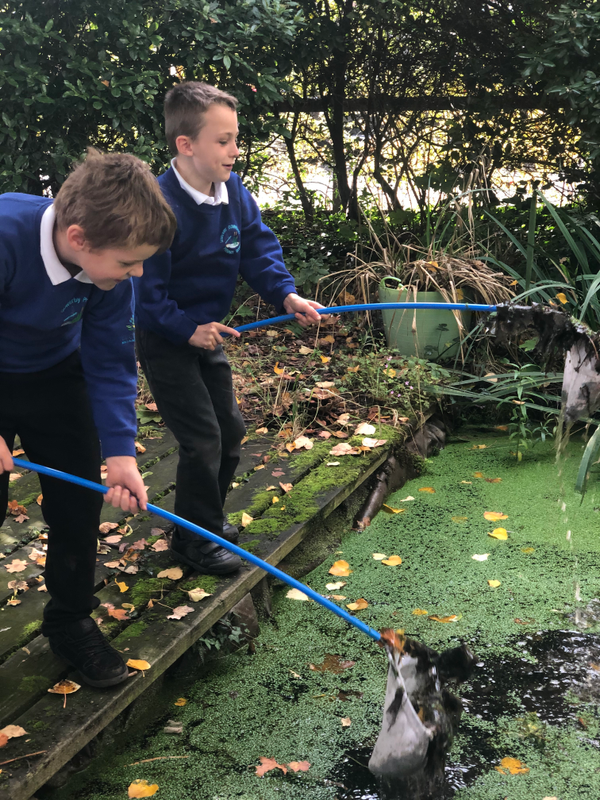
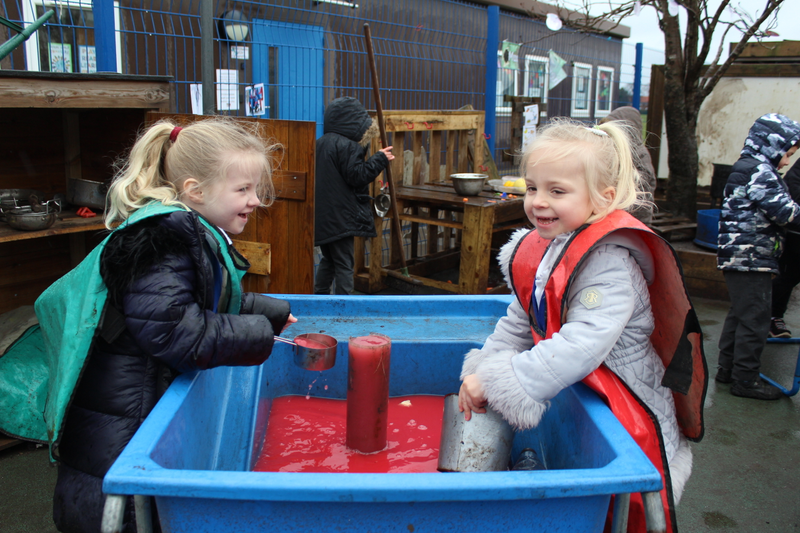
At Sowerby Primary Academy, science is implemented through a carefully sequenced curriculum that develops progressively from Early Years Foundation Stage (EYFS) through to Key Stage 2. Lessons are thoughtfully designed to build on prior knowledge, revisiting and deepening scientific concepts as pupils advance. Learning is engaging and meaningful, incorporating practical investigations, hands-on activities, and real-world applications.
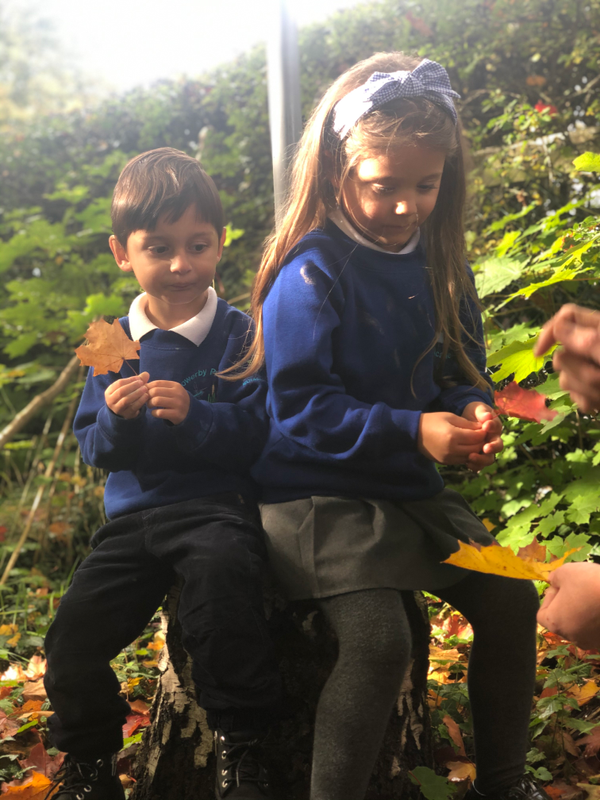
From the earliest stages, pupils explore scientific ideas through observation, experimentation, and discussion. In EYFS, this might include investigating floating and sinking with everyday objects, observing seasonal changes in the outdoor environment, or exploring simple materials and their properties. These experiences lay the foundation for more complex concepts in KS1 and KS2, such as forces, states of matter, or life cycles. Essential scientific vocabulary is taught deliberately to support accurate communication and understanding, ensuring that all pupils, including those who are disadvantaged, can access and articulate scientific concepts.
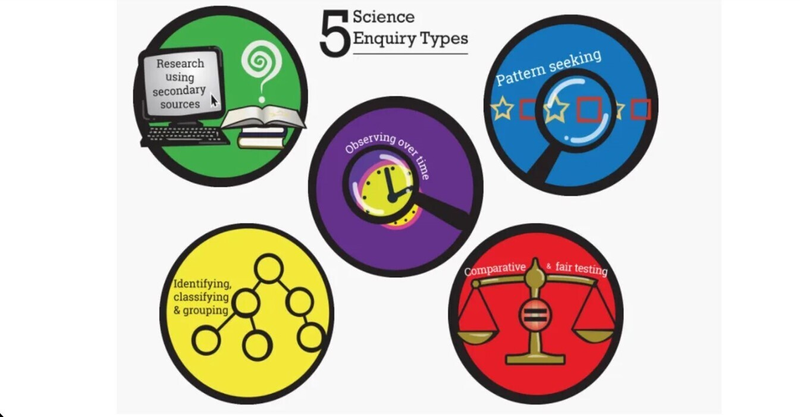
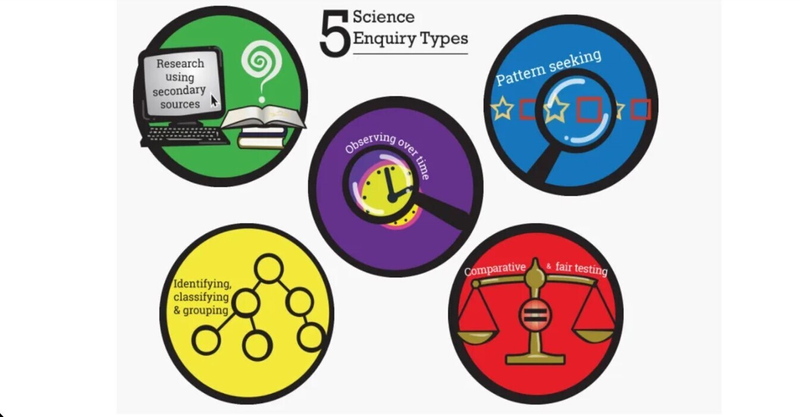
Our science curriculum nurtures curious and courageous learners, promoting independent thinking, collaborative problem-solving, and resilience. Pupils develop enquiry skills by asking questions, planning simple investigations, recording observations, and drawing conclusions. For example, KS1 pupils might measure plant growth using simple tables, while KS2 pupils could design fair tests to explore variables affecting the rate of melting ice. Throughout, literacy and numeracy skills are reinforced: pupils read scientific texts, record findings in clear written language, and apply mathematics to measure, record, and interpret data.
To ensure inclusivity, high-quality resources and adaptive teaching strategies are employed to meet the needs of every learner, including pupils with SEND and those from disadvantaged backgrounds. Lessons are scaffolded with step-by-step instructions, visual supports, concrete resources, and targeted adult support, ensuring that all pupils can engage meaningfully with scientific learning. Practical activities are structured to allow every pupil to contribute, promoting confidence, participation, and a sense of achievement.
Scientific vocabulary and enquiry skills are embedded throughout all topics, with frequent opportunities for discussion, collaborative work, and reflection. Assessment is ongoing and formative, enabling teachers to identify gaps and provide targeted support. This ensures that every pupil, regardless of background or learning need, develops a secure understanding of scientific concepts and enquiry skills. Through this approach, pupils leave Sowerby Primary Academy as confident, inquisitive learners, capable of applying scientific knowledge, reasoning effectively, and engaging thoughtfully with the world around them.
Impact
The impact of our Science curriculum is measured through a variety of techniques:
- Pupil voice (including School Council, feedback in assemblies and focused discussion with children regarding PSHE)
- Link Governor Monitoring
- Parent Consultation
- Teacher Feedback
- Learning Walks
- Examples of Pupil’s Work
- Planning and annotations
The impact of science teaching at Sowerby Primary Academy is evident in the depth of understanding and enthusiasm pupils display for scientific learning. Through a carefully sequenced curriculum and engaging, practical experiences, children develop a secure grasp of key scientific concepts, vocabulary and enquiry skills. This foundation enables pupils to confidently ask questions, investigate ideas and articulate their findings using precise scientific language. As a result, Sowerby Primary Academy pupils leave each key stage well-prepared for the next steps in their scientific education and as informed citizens in an ever-changing world.
By consistently relating science to real-world situations, we encourage children to view themselves as scientists and recognize the significance of science in daily life. Our objective is to foster curiosity and promote a lifelong passion for scientific discovery.
Progression of Skills in Science