Art
Intent
-
Our carefully designed, art curriculum is delivered through high quality teaching and learning experiences. Our progressive lessons are purposeful, engaging and inclusive.
At Sowerby we ensure that:
- Teaching staff have the required knowledge and skills, enabling them to model tasks, talk through their thinking processes and guide pupils.
- Lessons are well-planned with a balance between knowledge, skills and technique application. Children are given time to practice and experiment with tools, media and methods in order to apply them successfully in a project.
- Lessons/Provision in EYFS are part of the Core Foundations including Expressive Arts and Design, and Understanding the World.
- Lessons in key stage 1 and 2 follow the 7 key Elements of Art: line, shape, form, tone, colour, texture and pattern.
- Adaptations are made so that all pupils can create art effectively. This is seen in a variety of ways such as slim/chunky pencils and brushes, sensory friendly materials, given outlines, breaking down of tasks into smaller goals, picture prompts and visual modelling.
- High quality materials are provided for all children to use.
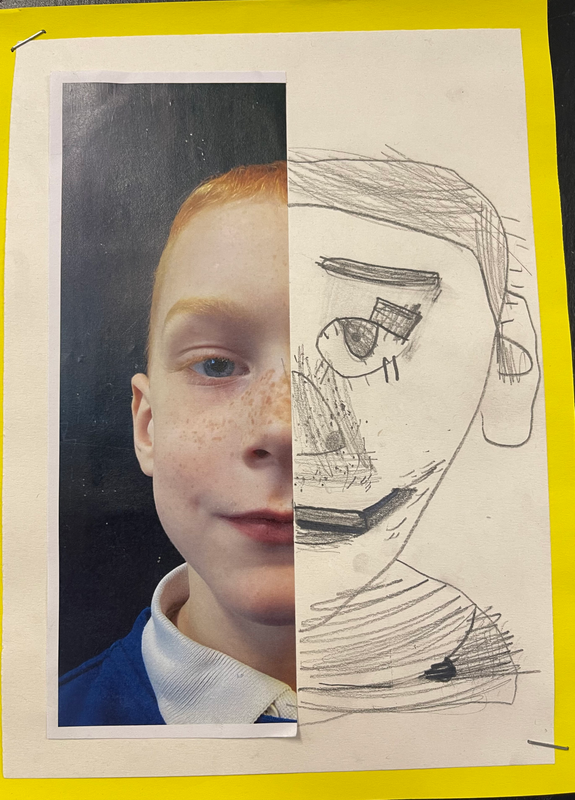
- The curriculum is embedded with opportunities for personal expression and creativity where they can explore ideas from real life experiences.
- The pupils’ artistic development is well-supported with clear instructions, individual attention and constructive feedback.
- Cross-curricular links are made so that children understand how art has made an impact in so many areas, such as history, religion and science, and how it has also been the inspiration for artistic expression by individuals and communities.
Implementation
High Quality Teaching and Learning
Our carefully designed art curriculum is delivered through high quality teaching and learning experiences. Our progressive lessons are purposeful, engaging and inclusive.
At Sowerby we ensure that:
- Teaching staff have the required knowledge and skills, enabling them to model tasks, talk through their thinking processes, and guide pupils effectively.
- Lessons are well-planned with a balance between knowledge, skills and technique application. Children are given time to practice and experiment with tools, media and methods in order to apply them successfully in a project.
- Lessons in key stage one and two follow the 7 key Elements of Art: line, shape, form, tone, colour, texture and pattern.
- High quality materials are provided for the children to use.
- The curriculum is embedded with opportunities for personal expression and creativity.
- The pupils’ artistic development is well-supported with clear instructions, individual attention and constructive feedback.
- Cross-curricular links are made so that children understand how art has made an impact in so many areas, such as history and religion, and how it has also been the inspiration for artistic expression by individuals and communities.
Broad and Balanced curriculum
-
Our Art curriculum offers a wide range of artistic experiences to Sowerby’s pupils. Due to our mixed year group classes in KS 1 and 2, it is organised in a 2 year rolling programme which ensures progression of both knowledge and skills across each year group. It has been carefully designed to ensure that within each year there is a balance of the 3 main art types and the 7 formal elements. These are revisited to embed and practise previously taught vocabulary/skills/knowledge, then built upon.
Our curriculum includes:
-
Drawing (pencil, charcoal, pastel, pen etc), painting (poster, acrylic, water-colour etc), sculpture (clay, card, wire, plaster, etc), mixed media (textile, collage, natural objects, photography, printing etc).
-
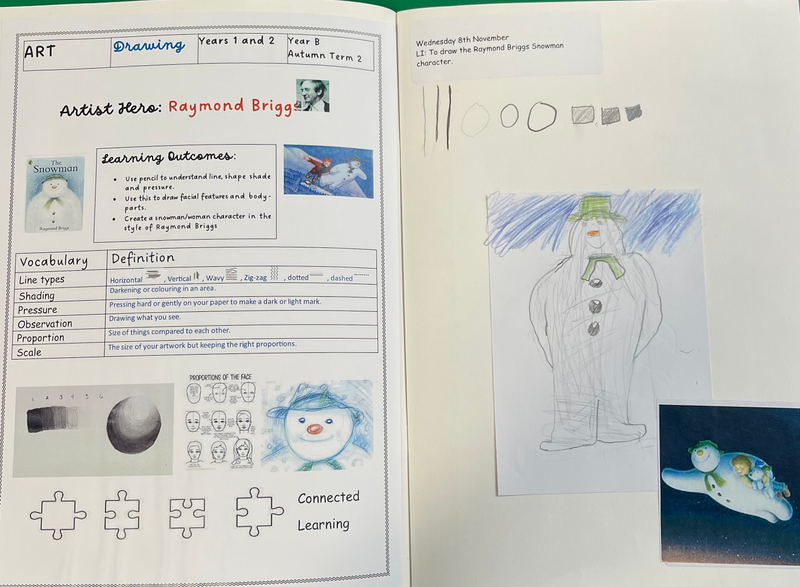
Opportunities to study “Art Heros” from all over the world and from different cultures, heritages and periods of history.
-
The exploration of different art movements such as Renaissance, Pre-Raphaelite, Surrealism, Pop and Graffiti.
-
A new art focus unit each half-term, consisting of a progression of weekly art lesson of at least an hour.
-
Each child is provided with a sketch book with which to record their ideas, skill development and artistic final pieces. This moves through the school with them as a record of their achievements. Each half-termly unit is preceded by a knowledge organiser which the children may refer to.
-
Enrichment Opportunities
We further promote and enhance our art curriculum with enrichment opportunities, these are accessed by all children. This also encourages pupils’ interaction with the wider art community. These take the form of:
- Celebration of World Art Day with a whole-school themed project.
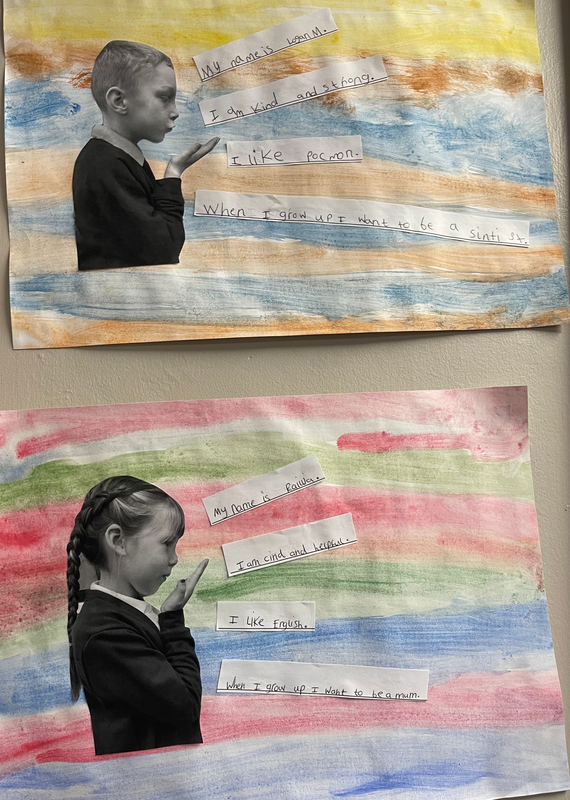
- Participation in art competitions, exhibitions and community projects.
- Showcasing children’s work.
- Collaborations with creative professionals and local artists.
Promoting Cultural Understanding
An important aim of our Art curriculum is to develop the respect and understanding of cultural diversity. We do this by:
- Introducing a diverse range of artists and art forms, which celebrate cultural diversity and equality.
- Encourage pupils to investigate social, personal and environmental issues through artwork.
- Discuss how art has an impact on culture, society and history.